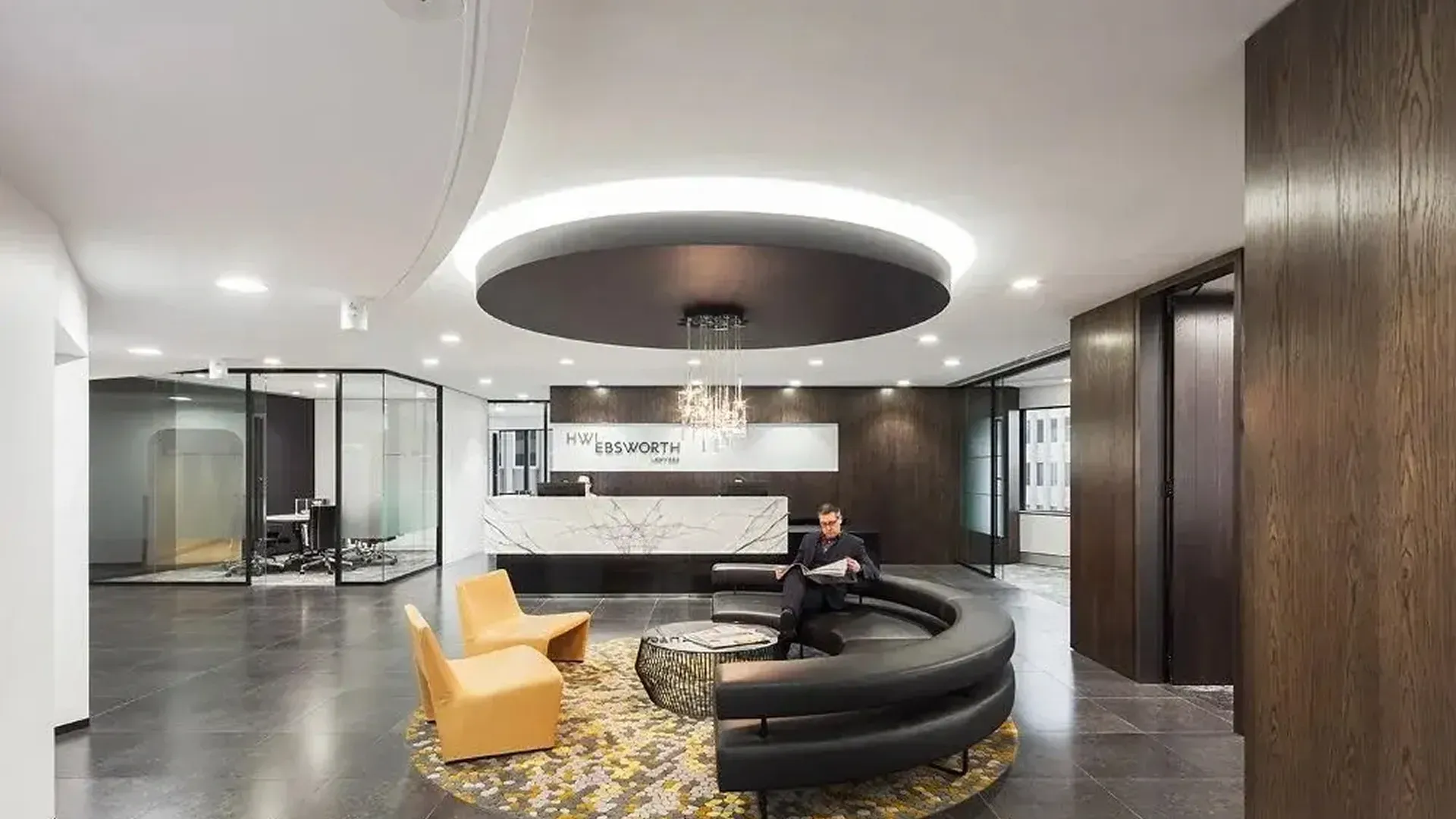
What It Really Takes to Deliver a Successful Commercial Fit-Out
What Separates a Well-Delivered Fit-Out From the Rest
After more than 20 years in commercial construction, I’ve come to understand that a successful fit-out isn’t defined by how it looks on completion day. It’s defined by how well it performs over time commercially, operationally, and structurally.
For commercial property owners, developers, architects, project managers, and business owners, the expectations are high. Timelines are tight, budgets are scrutinised, and there’s very little room for error.
What sits behind a well-executed project is not just good workmanship, but a clear process, strong leadership, and accountability from start to finish.
That’s where the difference is made.
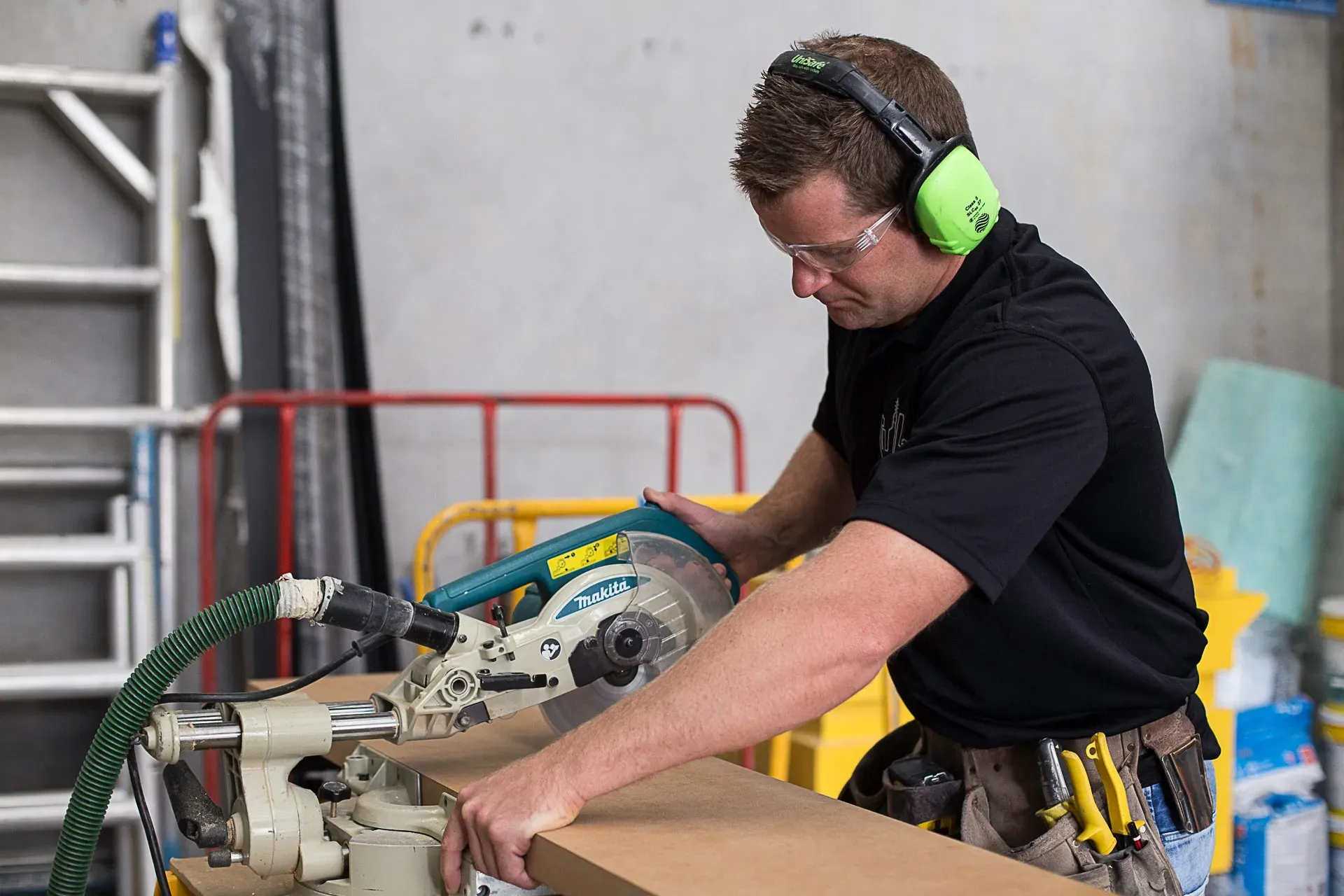
A Changing Standard in Commercial Spaces
Commercial environments today are expected to do more than ever. Offices need to support productivity and culture. Retail spaces must create experiences. Industrial and mixed-use environments are being reimagined to maximise value.
What this means in practice is that a fit-out can no longer be approached as a simple construction exercise. It requires a deeper understanding of how the space will be used, how it contributes to asset performance, and how it aligns with long-term objectives.
From where I sit, the real challenge is not just building what’s been designed, it’s ensuring that everything works together when it’s delivered.
Seeing the Project From Every Angle
One of the advantages of working across commercial fit-outs, demolition, and strip-outs is that we see the entire lifecycle of a project. That perspective matters, because each stakeholder involved is looking at the same build through a different lens.
For a property owner or asset manager, the conversation is centred around return on investment and asset longevity. The fit-out needs to elevate the space without introducing unnecessary risk or cost. Timing is critical, particularly when leasing outcomes are involved, and delays can quickly translate into lost revenue.
Architects and project managers approach the project differently. Their priority is protecting the integrity of the design while ensuring that it can be delivered practically. That requires a builder who understands documentation, communicates clearly, and can resolve challenges on-site without compromising the original intent.
For business owners and corporate tenants, the focus becomes far more immediate. The space needs to function day-to-day. It has to support teams, reflect brand identity, and be delivered with minimal disruption to operations. There’s a personal investment in the outcome that goes beyond the physical build.
And then there are the contractors and trades working alongside us. Coordination, sequencing, and clarity are what keep a project moving. Without that alignment, even well-planned projects can lose momentum quickly.
Understanding all of these perspectives isn’t optional, it’s essential. It’s what allows us to manage projects in a way that keeps everyone moving in the same direction.
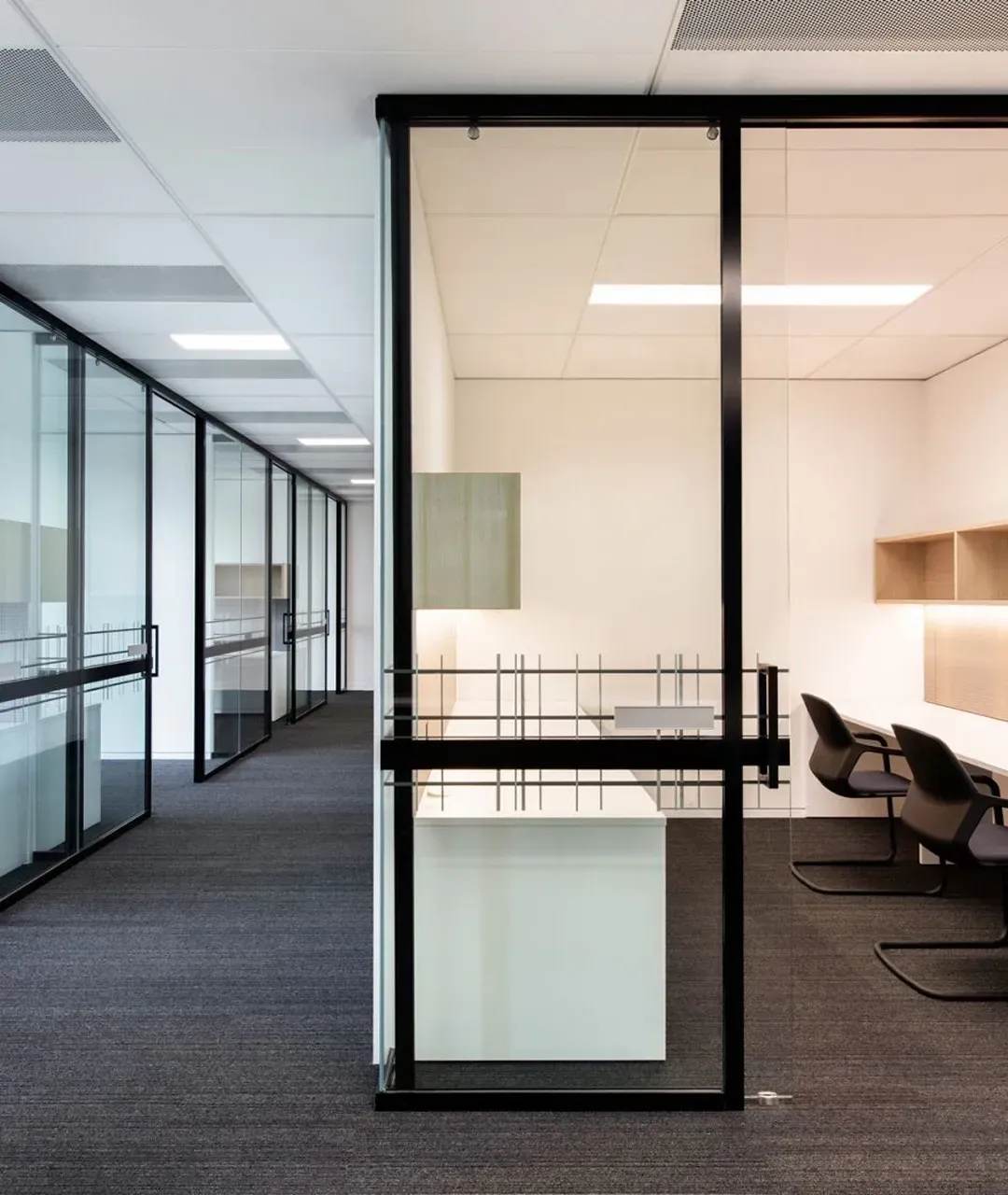
The Importance of Getting the Early Stages Right
A successful project is usually determined long before the final finishes go in.
While the end result is what people see, the real foundation is created in the early stages. Demolition, strip-out, planning, and preparation all require the same level of care as the final build.
Taking the time to understand the space, identify risks, and establish a clear plan helps prevent issues later. It’s not about slowing the process down, it’s about creating the right conditions for the project to succeed.
Every commercial project comes with unknowns. Conditions change, designs evolve, and challenges appear. The difference comes down to how those challenges are managed.
Our focus is on creating certainty wherever possible through strong planning, clear communication, and making decisions early before small issues become bigger problems.
Quality is also about more than what’s visible. A successful fit-out relies on the workmanship behind the finishes, the accuracy of the build, and creating a space that continues to perform long after handover.
Safety and professionalism are equally important. A well-managed site creates better outcomes, clearer communication, stronger efficiency, and a higher standard of work.
Ultimately, a commercial fit-out is about creating spaces that serve a purpose. Whether it’s supporting a business, delivering value for a property owner, or bringing a design vision to life, the goal is always the same, delivering a space that works.
Much of our work comes through repeat clients and referrals, which reflects the way we approach projects. Clear communication, strong supervision, and following through on commitments are what build confidence.
When those fundamentals are in place, projects have the best chance of being delivered the right way.
Final Thoughts
If there’s one constant in commercial construction, it’s that no two projects are ever exactly the same. Different sites, different stakeholders, different challenges.
What remains consistent is the need for a structured approach, clear accountability, and a team that understands the bigger picture.
That’s what we bring to every project at Bell Commercial. Not just the ability to build, but the experience to manage the process properly, from start to finish.