What Strong Commercial Site Supervision Really Looks Like on a Live Project
Project success is rarely determined by planning alone. In commercial construction, the day-to-day management of a site is what keeps projects running efficiently, teams coordinated and issues resolved before they become larger setbacks.
When site supervision is inconsistent, even straightforward projects can quickly become reactive leading to delays, communication gaps and unnecessary disruption across the build process. Strong supervision creates clarity on site, keeps trades aligned and ensures decisions are made at the right time.
At Bell Commercial, site supervision is treated as a core part of project delivery, not simply an operational support role.
With more than 20 years of commercial construction experience behind our approach, we understand how effective oversight contributes to smoother programming, stronger safety outcomes, higher quality workmanship and greater client confidence throughout the project.
Supervision Isn’t About Watching Work Happen
There’s a common misunderstanding in commercial construction that site supervision is about oversight in the simplest sense, being present, checking progress, and reporting back.
In reality, it’s far more active than that.
Good supervision is constant decision-making. It’s sequencing trades so they don’t clash. It’s identifying risks before they turn into delays. It’s understanding what the drawings say, what the site is actually doing, and what needs to happen next to keep everything moving.
And importantly, it’s being close enough to the work that issues are resolved immediately, not escalated into problems that affect the wider program.
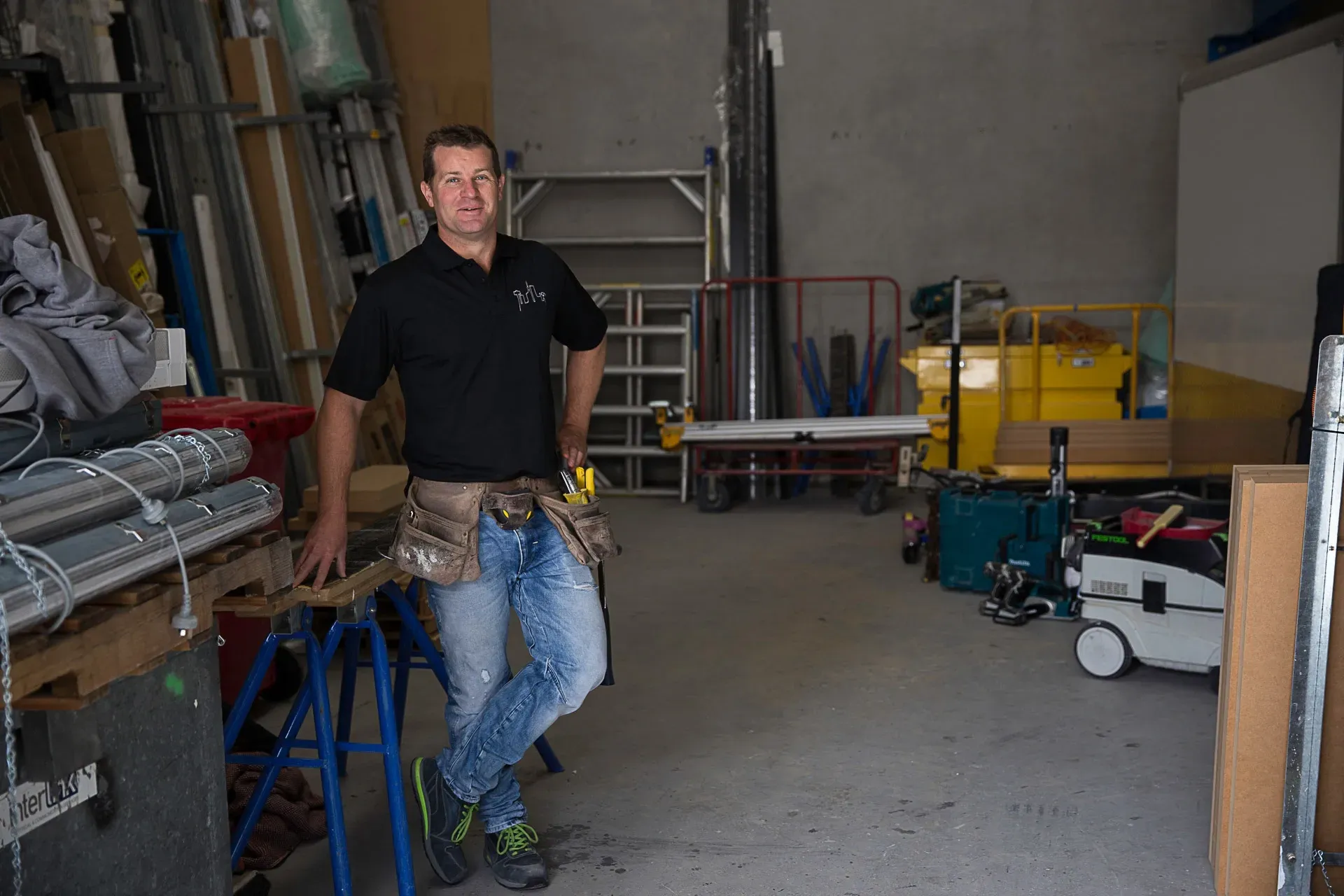
When we talk about Commercial Site Supervision at Bell Commercial, that’s the standard we’re referring to. One key supervisor who maintains control of the site from start to finish, working closely with the Project Manager and delivery teams to keep everything aligned in real time.
Why Consistency of Oversight Matters More Than People Realise
One of the biggest risks I see across commercial projects is inconsistency in supervision.
Different people stepping in at different stages. Gaps between responsibility. Or supervision that shifts between reactive and proactive depending on workload.
The problem with that approach is simple: the site never has a stable point of reference.
Trades start making assumptions. Small coordination issues get left unresolved. And decisions begin to drift away from the original intent of the project.
When you have one consistent supervisor overseeing the entire build, the dynamic changes. There’s continuity. There’s accountability. And there’s a clearer understanding of how each decision affects the broader outcome, not just the immediate task in front of them.
That consistency is something we’ve built into how we operate at Bell Commercial, because it removes a lot of the uncertainty that typically slows projects down.
Why Strong Site Supervision Keeps Commercial Projects Moving
A trade waiting for access. A design clarification. A sequencing change. A safety consideration. A delivery that arrives earlier or later than planned.
Individually, these decisions may seem minor. But together, they shape how the entire project moves.
One of the biggest challenges in site supervision is maintaining that balance, dealing with what needs attention today while still keeping sight of the bigger picture.
It’s easy for a project to become reactive, where the focus shifts from managing the overall outcome to simply solving the next issue in front of you. Strong supervision is about preventing that. It’s about understanding how each decision affects the wider program and keeping everything moving in the right direction.
At Bell Commercial, we see site supervision as more than reporting progress or tracking updates. Those things matter, but true control happens on site.
It’s about coordinating trades properly, identifying issues early, maintaining clear communication, and making decisions before small problems become bigger ones.
Having someone actively involved in the day-to-day operation of the project creates that level of control. It keeps the site aligned, reduces uncertainty, and allows issues to be resolved before they impact the wider program.
Safety, quality, and timelines are also not separate priorities, they all come back to the same foundation: good site management.
When sequencing is poor, risks increase. When communication is unclear, delays start to appear. When supervision is inconsistent, quality becomes harder to maintain.
A well-managed site naturally supports better outcomes across all three.
What clients often notice most about good supervision is actually what they don’t experience.
Fewer surprises. Fewer last-minute issues. Fewer problems sitting unresolved in the background.
Instead, the project feels controlled. Decisions are being made early, expectations are clear, and everyone understands what needs to happen next.
That’s the role we believe site supervision should play, not adding unnecessary complexity, but creating clarity and confidence throughout the project.
Final Thoughts
No commercial project is ever entirely predictable. Conditions change, details evolve, and challenges appear along the way. That’s just the nature of construction.
But what does make a difference, consistently, is how well the site is supervised while all of that is happening.
When there is clear, experienced oversight embedded in the day-to-day running of the project, the work tends to stay more stable. Decisions are clearer.
Coordination improves. And the project has a better chance of finishing the way it was originally intended.
That’s the approach we’ve built at Bell Commercial. Not just to oversee work, but to bring structure, clarity, and continuity to the way it is delivered.
And in commercial construction, that often makes the difference between a project that simply gets completed and one that actually performs the way it should long after handover.