
What It Really Takes to Deliver Safe and Controlled Demolition & Strip-Out Works
Demolition and strip-out work is often viewed as a preliminary stage of construction, but in commercial projects, it plays a far greater role in shaping how the entire build progresses. The way this phase is planned and managed can directly influence safety, timelines, coordination and the overall efficiency of the project moving forward.
Once existing structures and finishes begin to be removed, hidden conditions, access limitations and unforeseen site challenges can quickly emerge. Without careful oversight, these early-stage issues can create delays and disruptions that impact every trade that follows.
At Bell Commercial, we approach demolition and strip-out works as a critical part of project delivery rather than simply a clearing process. Backed by more than 20 years of commercial construction experience, we understand the importance of creating a controlled, well-managed environment from the outset to help support smoother construction outcomes across the entire project lifecycle.
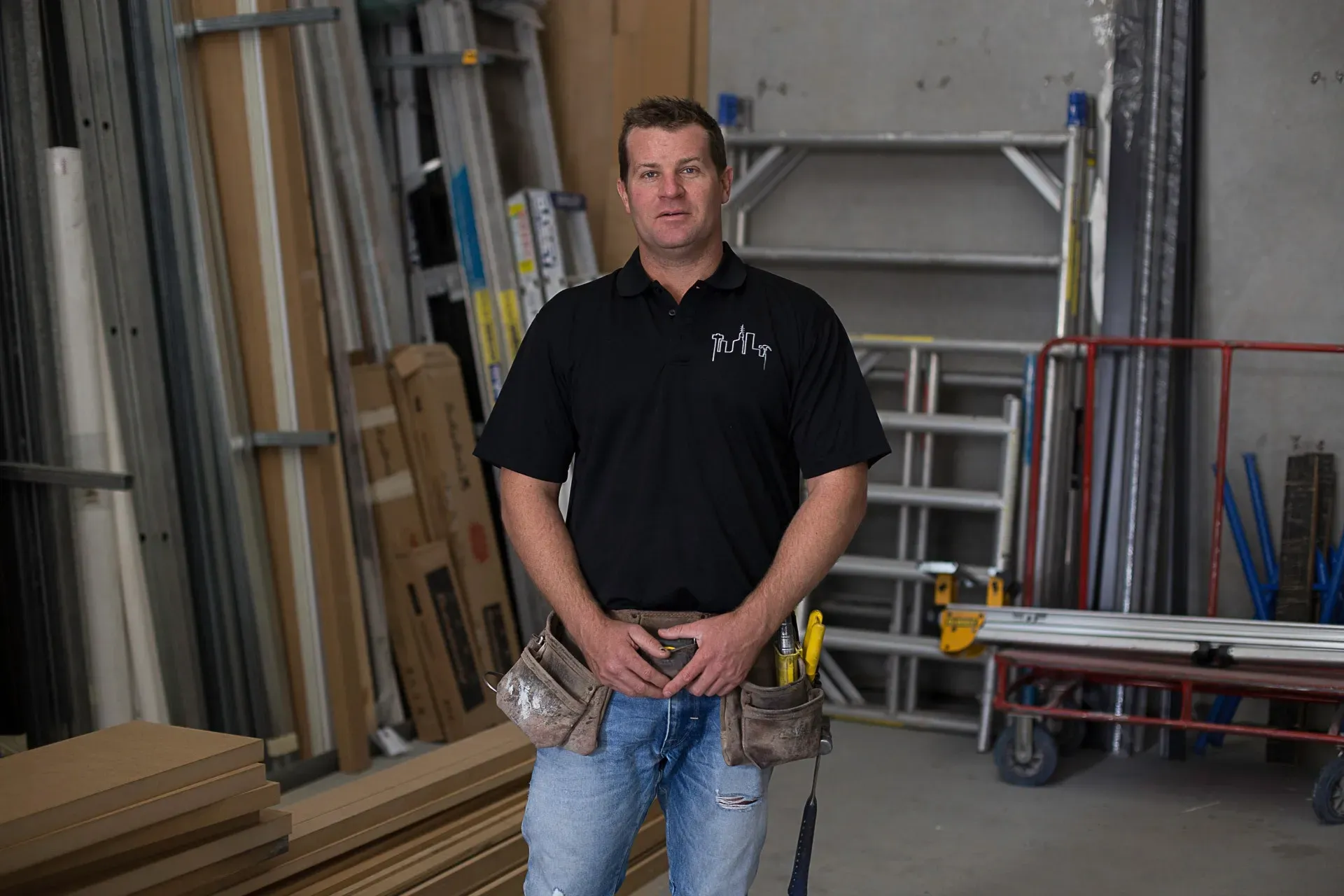
More Than Just Clearing a Space
There’s a tendency in commercial construction to treat demolition and strip-out works as straightforward removal, take out the walls, strip the ceilings, clear the floors, and get ready for the new build.
But anyone who has spent time on live sites knows it’s rarely that simple.
Behind every ceiling, wall, and workstation is a network of services, structural considerations, legacy modifications, and sometimes assumptions made in earlier fit-outs that no longer reflect what’s actually there.
This is where experience matters.
Because the real work in demolition isn’t just removing materials, it’s understanding how the building behaves as those elements come out.
That’s why our approach at Bell Commercial is always measured. We don’t treat strip-out as a rush to clear a site. We treat it as a controlled process that protects the integrity of the structure while preparing it properly for what comes next.
Seeing the Stage Through Different Project Roles
One of the things I’ve learned over the years is that demolition looks different depending on your role in the project.
For a Project Manager or Project Director, this stage is about setting up the program properly. If strip-out is delayed or poorly sequenced, it flows through every downstream activity.
For Site Managers and Construction Managers, it’s about control, making sure trades are working safely, the site is managed properly, and nothing is being removed without clear understanding of what’s behind it.
For Quantity Surveyors, Commercial Managers, and Contracts Administrators, it’s about cost exposure. Hidden conditions uncovered during demolition can quickly shift budgets if they’re not identified early and managed correctly.
Architects and Interior Designers often see this stage as validation. What’s revealed during strip-out confirms whether the design intent aligns with the reality of the existing structure.
For Property Developers, Asset Managers, and Investment Managers, it’s risk. The key concern is whether the building is being protected while transformation begins.
And for Facilities Managers, Building Managers, and Operations teams, it’s about what condition the asset is left in, not just for construction, but for long-term performance.
Demolition sits across all of these perspectives at once. And that’s why coordination at this stage is so important.
Why Strip-Out Stage Defines the Success of a Project
In commercial strip-outs, the biggest risks are rarely the ones you can see at the start.
Removing partitions, clearing furniture, taking out old joinery, that part is usually straightforward. The real challenges sit beneath the surface.
Hidden structural elements that were never properly documented. Services running in unexpected locations. Previous tenant works that don’t align with current drawings. In older buildings, sometimes asbestos or other hazardous materials. Or assumptions about what is non-structural that turn out to be wrong.
These things only become visible as the building is opened up. That’s why we take a controlled approach, revealing the structure progressively rather than stripping everything at once. It gives us time to identify issues early and manage them safely.
There’s always pressure in commercial projects to move quickly. Deadlines are tight and programs are already locked in. But strip-out is one of those stages where speed without control creates problems later.
Rushed decisions can lead to avoidable damage, service disruptions, or safety issues that stop work entirely. What often starts as a small shortcut ends up creating delays and added cost.
That’s why we focus on sequencing over speed. Every step is planned around what comes next, not just what’s being removed at the moment.
Site control is just as important. A demolition site is constantly active, so it needs to stay structured and clean. Clear zones, managed access, regular waste removal, all of this keeps the site safe and efficient for everyone working on it.
Safety isn’t something added on top. It’s built into how the work is done each day.
Just as important is knowing what to leave alone. Structural elements, live services, shared infrastructure, and adjacent tenancies all need to be carefully protected. If there’s any doubt, we verify before proceeding.
In many ways, this stage sets the tone for the entire project.
When strip-out is done properly, everything that follows runs more smoothly, trades can start without obstruction, risks are dealt with early, and the program has a stronger foundation.
When it isn’t, those issues tend to show up later when time and cost pressure are already at their highest.
That’s why we treat this phase with the same care as the build itself. Because how you start a project has a direct impact on how well it finishes.
How We Approach It at Bell Commercial
At Bell Commercial, demolition and strip-out works are not treated as a standalone service.
They are part of a broader delivery approach that focuses on continuity, from existing conditions through to final handover.
That means:
- One coordinated team managing the full process
- Clear supervision from start to finish
- Strong focus on structural protection and safety
- Careful sequencing aligned with the overall program
- Consistent communication with project stakeholders
It’s not about overcomplicating the process. It’s about making sure the fundamentals are done properly so the rest of the project has a stable base to build from.
Final Thoughts
Demolition and strip-out works are often seen as the beginning of construction.
But in practice, they are also the first real test of how a project will be delivered.
If this stage is rushed or poorly managed, those issues rarely stay contained. They tend to surface later, when they are harder to fix and more disruptive to the program.
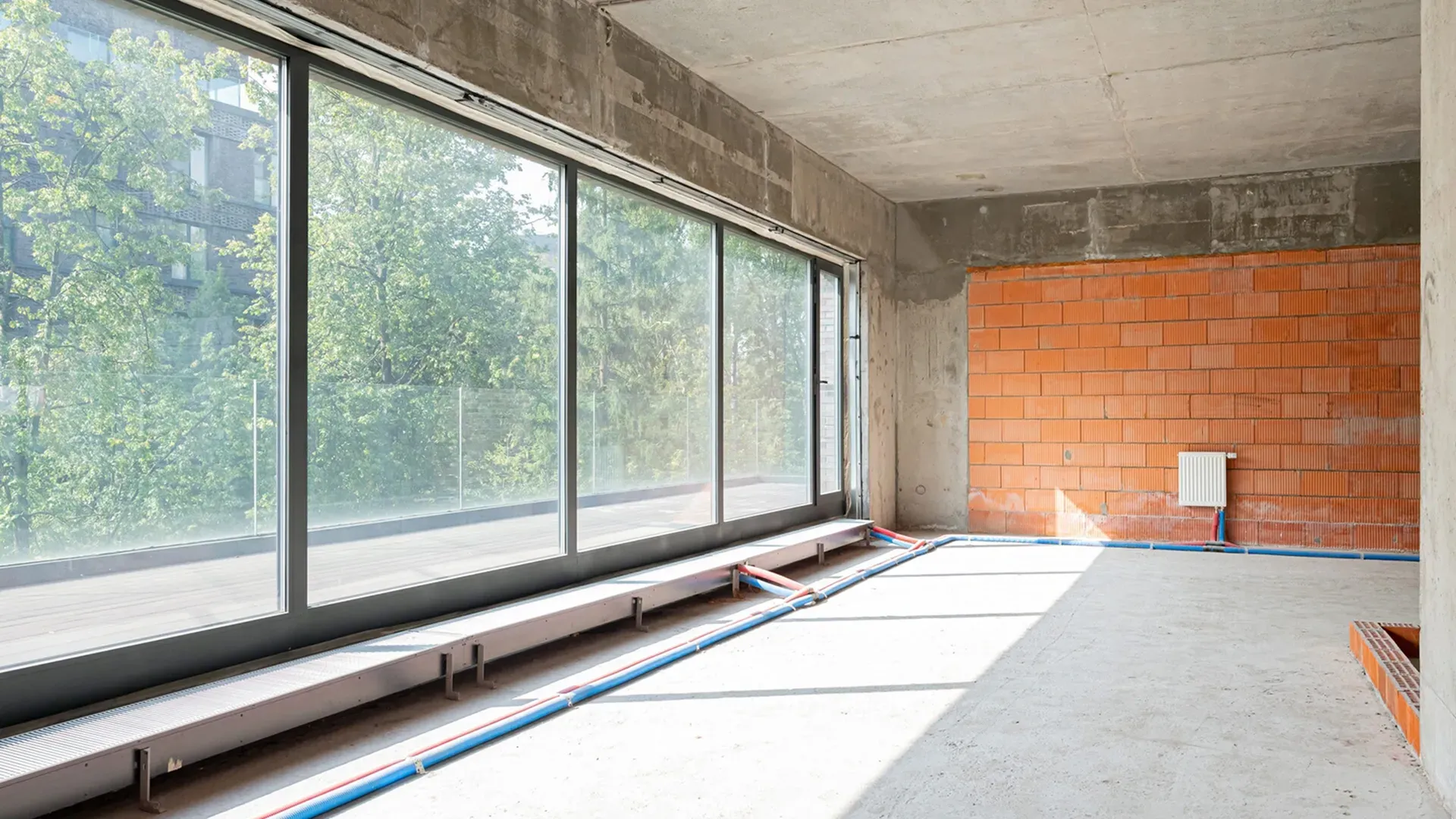
When it’s done properly, with care, structure, and proper supervision, it creates clarity in a space that was previously uncertain.
And that clarity carries through the rest of the project. That’s the approach we take at Bell Commercial. Not just removing what’s there, but preparing the space properly for what it’s meant to become next.